
Dispensing is more than a maximum-volume specification
Photoresist, PI, BCB and SOG differ in viscosity, chemical compatibility and dose volume. Configuration also depends on static or dynamic dispense, liquid-line count, suck-back, cleaning, container, bubble control and recipe integration. High-viscosity selection must use measured viscosity at operating temperature; the documented SPV-15 range is 10–10,000 cps.
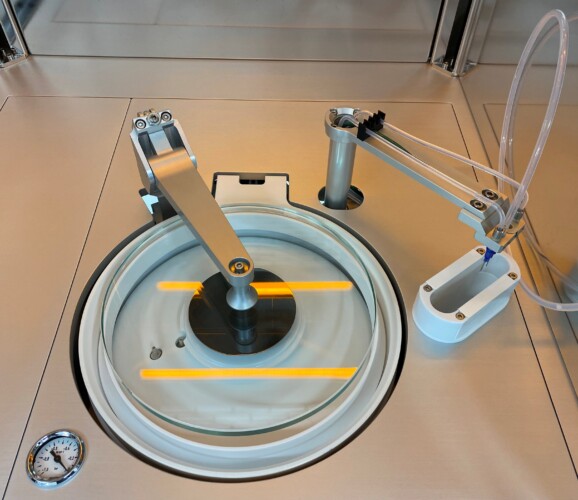
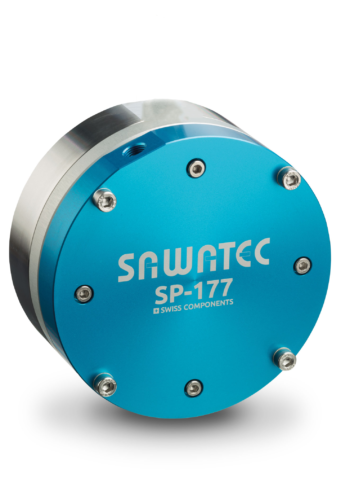
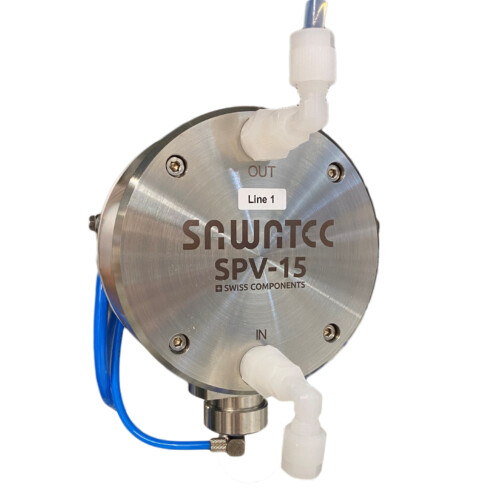
Metering-pump comparison
| Model | Dispense volume | Nominal accuracy | Media viscosity |
|---|---|---|---|
| SP-177 | 0.1–12 ml | ±0.1 ml | 10–800 cps |
| SPV-15 | 0.1–15 ml | ±0.1 ml | 10–10,000 cps |
| SP-50 | 0.1–50 ml | ±0.1 ml | 10–800 cps |
| FP-20 | 0.1–20 ml | ±0.1 ml | 10–800 cps |
Six inputs for liquid-feed selection
Material and viscosity
Material, operating-temperature viscosity, solids, solvent and safety data.
Dose volume
Minimum, typical and maximum volume plus acceptable variation.
Liquid lines
Independent lines for resist, solvent, EBR or other media.
Dispense path
Dynamic, multi-point or off-center dispensing when required.
Cleaning
Needle cleaning, line flushing, downtime and contamination risk.
Integration
Control and throughput relationship with coating or automated tracks.
Configure from real material data
Send the viscosity curve, target dose, container and line requirements, dispense path, cleaning method and substrate dimensions.